
Getting your pipes ready for a Columbia winter freeze
By Aisha Abbott · Updated 2026-07-09
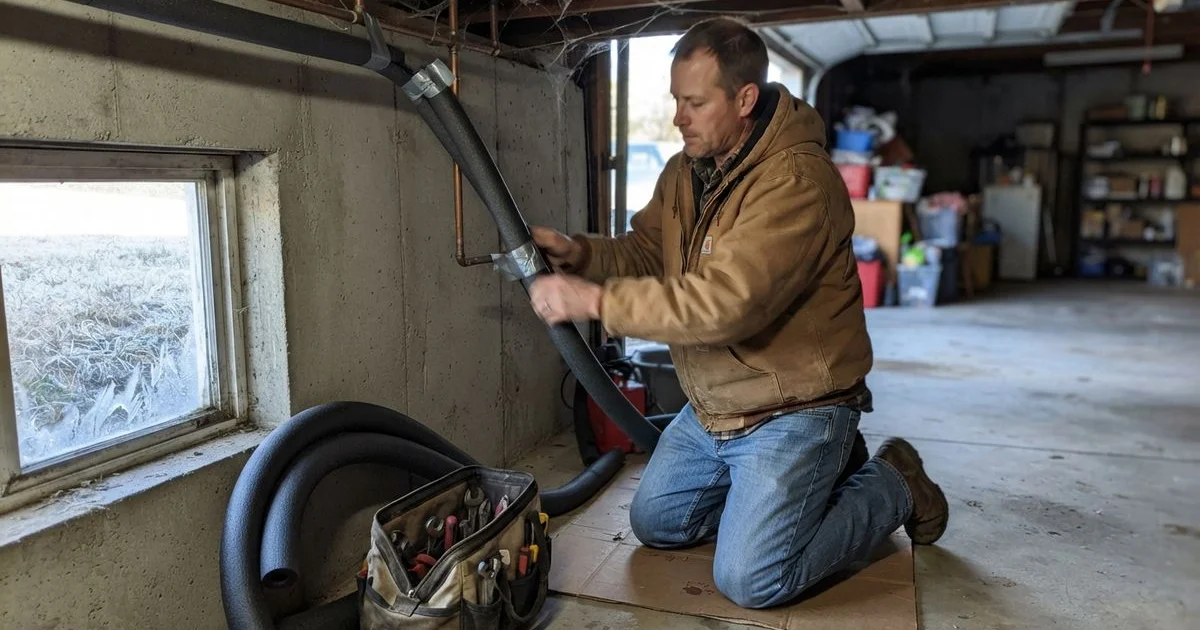
Columbia does not see hard freezes as often as colder climates, which is exactly why a cold snap can catch homes here off guard. Pipes and homes built for a mild climate are not always insulated the way they would be somewhere freezing is routine.
Why this matters more here than it seems
In places where winters are consistently cold, homes are built with pipe insulation and heating systems designed around that reality. In Columbia, an unusual multi-day freeze is less common, which means some homes, especially older ones or those with pipes running through unheated crawlspaces or garages, are more exposed than homeowners realize until a cold snap actually arrives.
Before a freeze hits
- Disconnect and drain outdoor hoses, and shut off any exterior spigots that have an interior shutoff valve.
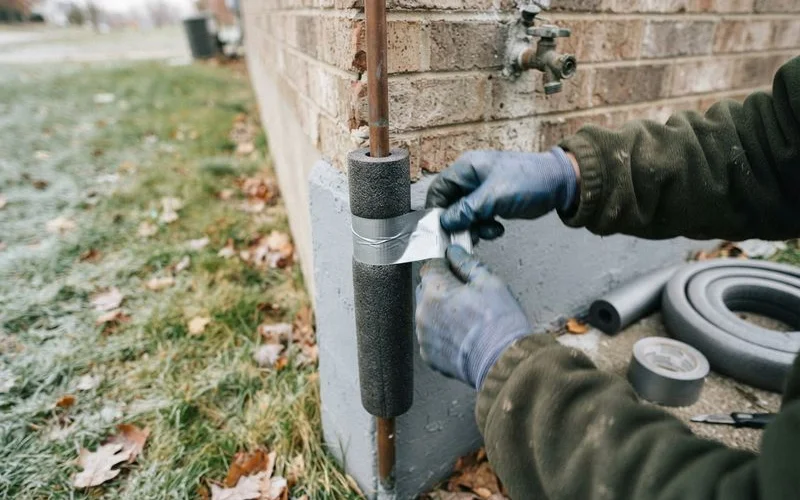
- Insulate exposed pipes in crawlspaces, garages, and along exterior walls with foam pipe insulation, available at most hardware stores.
- Seal drafts near where pipes enter the house, since cold air infiltration around those points is a common cause of freezing.
- Know where your main shutoff valve is, so you are not searching for it during an actual emergency.
During a hard freeze
| Action | Why it helps |
|---|---|
| Let faucets drip slightly on exposed pipe runs | Moving water is less likely to freeze than standing water |
| Open cabinet doors under sinks on exterior walls | Lets warm household air reach the pipes |
| Keep the thermostat consistent, even overnight | Avoid lowering heat significantly during a freeze warning |
| Disconnect hoses, shut exterior spigots | Prevents freezing and cracking at the outdoor connection |
If a pipe freezes anyway
Shut off the water supply to that section if you know where the valve is, and open the affected faucet slightly to relieve pressure as the ice thaws gradually. Never use an open flame or a torch to thaw a pipe, since that risks damaging the pipe further or starting a fire. If you cannot locate the frozen section, if thawing is not working, or if the pipe has already cracked or burst, stop and call a plumber rather than continuing to work on it yourself. Our plumbing emergency checklist covers what to do in the minutes before they arrive.
After the freeze passes
Once temperatures rise, check exposed pipes and outdoor spigots for any signs of cracking, even if nothing burst outright. A pipe that survived a freeze without an obvious leak can still have hairline damage that shows up as a slow leak weeks later. If you are unsure, ask a plumber to check the areas most exposed during the cold snap.
Bottom line
Columbia’s mild winters mean freeze protection is easy to overlook until a cold snap is already underway. Insulating exposed pipes, disconnecting outdoor hoses, and knowing your main shutoff valve ahead of time are the highest-value steps. Our directory of Columbia plumbers and methodology can help you find someone quickly if a pipe does freeze or burst.
FAQ
- Do pipes really freeze in South Carolina?
- Yes, occasionally. Columbia sees fewer hard freezes than colder states, but that is part of the risk: homes and pipes here are less consistently insulated against cold than in regions where freezing is routine, so an unusual cold snap can still catch exposed pipes off guard.
- Which pipes are most at risk?
- Pipes in unheated or poorly insulated spaces are most vulnerable: crawlspaces, garages, exterior walls, and any outdoor spigots or hose bibs. Interior pipes in a heated, insulated home are much less likely to freeze.
- What should I do if a pipe already froze?
- Shut off the water supply to that section if you can, and open the affected faucet slightly to relieve pressure as it thaws. Do not use an open flame to thaw a pipe. If you cannot locate the frozen section or the pipe has already burst, call a plumber.