
Signs your home needs repiping and how to plan for it
By Aisha Abbott · Updated 2026-06-26
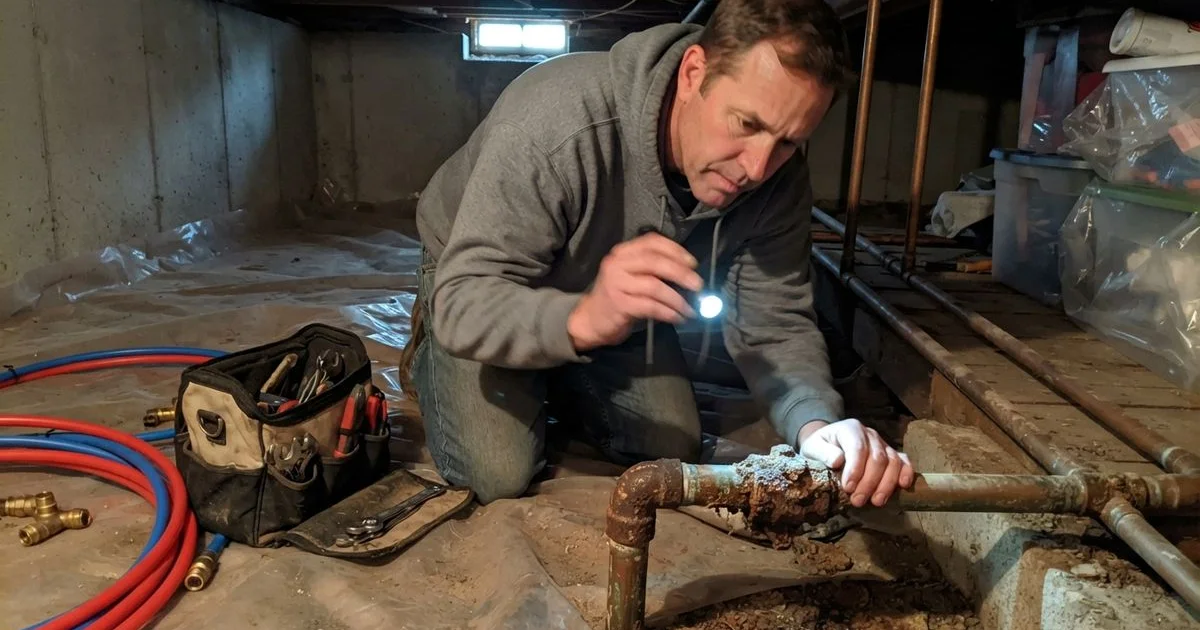
Repiping is one of the bigger plumbing decisions a homeowner makes, and most people do not think about it until something forces the question. Here are the signs worth paying attention to before that happens on an emergency timeline.
Warning signs worth taking seriously
- Discolored water, especially rust-colored or brown, particularly right after the water has been off for a while, often points to corroding galvanized steel pipe.
- Frequent pinhole leaks in different locations suggest the pipe material itself is failing, not just one bad section.
- Low water pressure throughout the house, rather than at a single fixture, can mean mineral buildup or corrosion narrowing the pipe diameter across the system.
- Visible corrosion or flaking on exposed pipes, especially where they connect to fixtures.
- A home with original galvanized steel plumbing, common in houses built before the 1960s, is a candidate for repiping on age alone, even without active symptoms yet.
Repair vs. repipe
| Situation | Usually a repair | Usually a repipe |
|---|---|---|
| One leak, otherwise sound pipe | Yes | No |
| Multiple leaks in different spots over time | No | Yes |
| Discolored water throughout the house | No | Yes |
| Original galvanized steel pipe, home built before 1960 | No | Yes, proactively |
| Modern PEX or copper with one isolated failure | Yes | No |
A plumber weighing this decision is essentially asking whether the pipe material itself has reached the end of its useful life, or whether this is an isolated failure in an otherwise sound system. Ask them to explain which case yours is before agreeing to either option.
What material a plumber will likely recommend
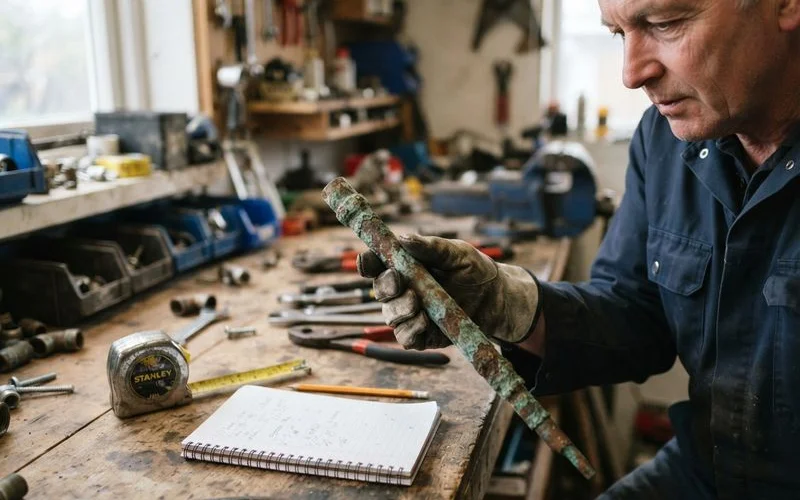
Most repiping projects today use PEX or copper. PEX is flexible, resists corrosion, and is generally faster and less expensive to install since it can often be run through existing wall cavities without as much cutting. Copper costs more and takes longer to install but has a long track record and is preferred by some homeowners and in some local code situations. Your plumber can walk you through which fits your home and budget.
Planning the project
Repiping affects daily life while it is happening, since water gets shut off in sections and walls or ceilings may need to be opened to run new lines. Ask your plumber for:
- A day-by-day plan for which rooms lose water access and when.
- Whether drywall repair and paint touch-up are included in the quote or handled separately.
- Whether the work requires a permit and inspection, which it typically does for whole-home work.
- A clear explanation of pipe material options and why they are recommending one over another.
Find repiping and pipe repair specialists in Columbia once you have a sense of scope, and compare a few quotes since the price range on a full repipe is wide depending on home size and material.
Bottom line
Repeated leaks, discolored water, low pressure throughout the house, and original galvanized pipe are the clearest signs it is time to talk to a plumber about repiping rather than another one-off repair. Planning ahead, rather than waiting for a pipe to fail outright, gives you more control over timing, material choice, and cost. Aging, corroded pipe is also more likely to crack during a hard freeze, so our guide to winterizing pipes is worth a read while you plan. Our directory of Columbia plumbers and methodology can help you compare who has real repiping experience versus general repair work.
FAQ
- How do I know if I need a full repipe or just a repair?
- A single leak or failure in an otherwise sound system usually calls for a spot repair. Repeated leaks in different spots, widespread corrosion, or pipe material known to fail with age, like old galvanized steel, point toward a full repipe being the more cost-effective long-term fix.
- How long does whole-home repiping take?
- For a typical single-family home, expect anywhere from two to five days depending on the number of bathrooms, the number of stories, and how much wall or floor access is needed. Multi-story homes and homes with limited access take longer.
- Do I have to move out during repiping?
- Most homeowners stay, though water will be shut off for portions of each day and some rooms may be inaccessible while walls are open. Ask your plumber for a day-by-day plan so you can arrange around it, especially for kitchens and bathrooms.