
What to expect from a drain cleaning or hydro jetting appointment
By Aisha Abbott · Updated 2026-06-22
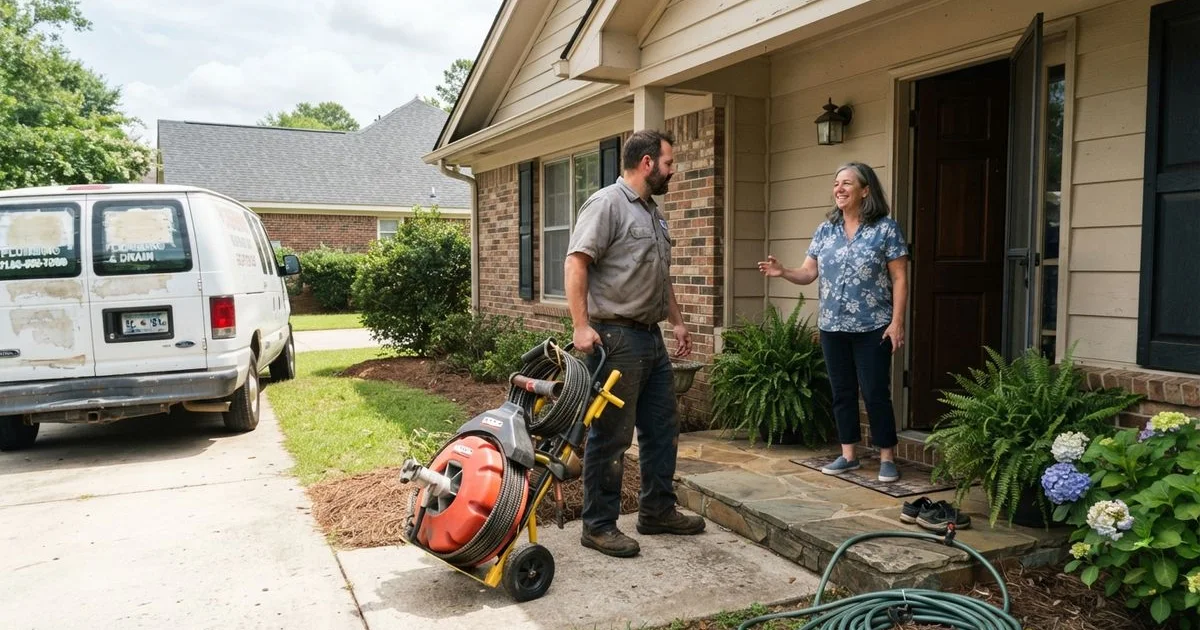
Most people call about a clogged drain without knowing what the actual visit involves, which makes it harder to judge whether the plumber did a thorough job. Here is what a typical appointment looks like from arrival to cleanup.
Step 1: describe the problem
The plumber will ask what you have noticed: is it one drain or several, is it slow or fully blocked, has it happened before, and have you tried anything already, including chemical drain cleaner. That last detail matters, since some chemicals can make certain repair methods riskier.
Step 2: initial diagnosis
For a single slow drain, the plumber may start with a hand-cranked or motorized snake to clear a simple clog before doing anything more involved. For a recurring problem, a main line backup, or a clog that will not clear with a snake, they may recommend a camera inspection first to see exactly what is going on before choosing a method.
Step 3: choosing a method
| Method | Best for | What it does |
|---|---|---|
| Cable/snake | Simple clogs, hair, minor buildup | Physically breaks up or hooks the blockage |
| Hydro jetting | Grease buildup, root intrusion, recurring clogs | Blasts high-pressure water to scour the full pipe wall |
| Camera inspection | Diagnosing before choosing a method | Shows exact location and cause of the blockage |
A cable or snake is usually the first thing tried on a straightforward clog because it is faster and less expensive. Hydro jetting uses a high-pressure water jet to clean the entire interior wall of the pipe rather than just punching a hole through the blockage, which makes it more effective for grease buildup or roots but is not always necessary for a simple clog.
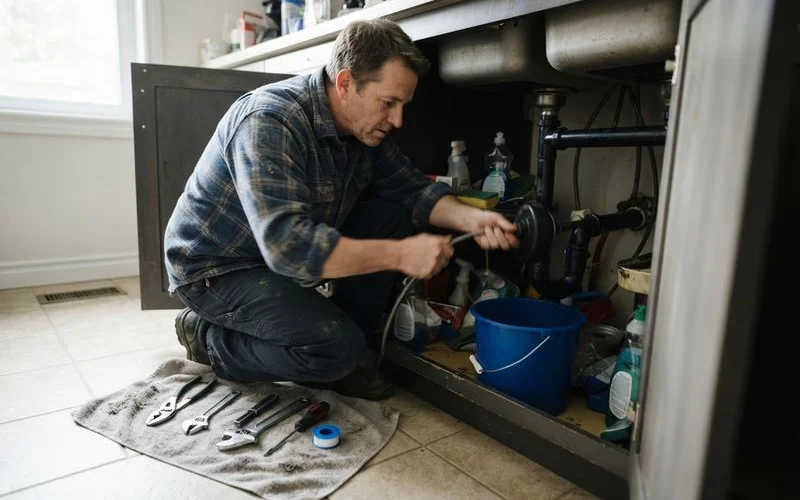
Step 4: clearing and verifying
Once the clog is cleared, a plumber will typically run water for a few minutes to confirm the drain flows properly and check for any backup. On a main line, they may re-run the camera to confirm the full length of the line is clear, not only the point they were working on.
Step 5: what they should tell you before leaving
A good plumber explains what they found, what caused it if they could tell, and whether the problem is likely to recur. If the cause was something structural, like a bellied section of pipe or root intrusion from a tree, they should flag that this specific clog may keep coming back until the underlying issue is addressed, not just cleaned out again.
When to ask for a camera inspection
If a drain has clogged more than once in a short period, ask for a camera inspection before paying for another round of cleaning. A recurring clog at the same spot usually points to a structural problem, and clearing it repeatedly without diagnosing the cause costs more over time than paying for the inspection upfront. If a clog has already turned into standing sewage in the house, that is a different situation; see our guide on sewage backup health risks for what to do until help arrives. Browse drain and sewer cleaning providers in Columbia if you are dealing with a clog that keeps coming back.
Bottom line
A drain cleaning appointment usually moves from diagnosis to method selection to clearing to verification, and a plumber who explains each step as they go is doing the job right. Our directory of Columbia plumbers and methodology can help you compare who is known for that kind of thorough, explained work rather than a quick clear-and-go.
FAQ
- How long does a typical drain cleaning appointment take?
- A single sink or shower drain often takes 30 to 60 minutes. A main sewer line clog, especially one that needs a camera inspection first, can take two hours or more depending on how far the plumber has to run equipment.
- Do I need to be home for the whole appointment?
- For most jobs, yes, especially if the plumber needs access to a cleanout inside the house or wants to walk you through what they find. Some routine exterior cleanout work can be done with less homeowner involvement, but ask ahead of time.
- Will the plumber know what caused the clog?
- Often, yes, especially with a camera inspection. Grease buildup, root intrusion, and foreign objects all leave distinct signs. Without a camera, the plumber can usually tell you the type of clog based on how it responds to cleaning, but not always the exact cause.