
First-time homeowner's guide to plumbing basics and when to call a pro
By Aisha Abbott · Updated 2026-07-11
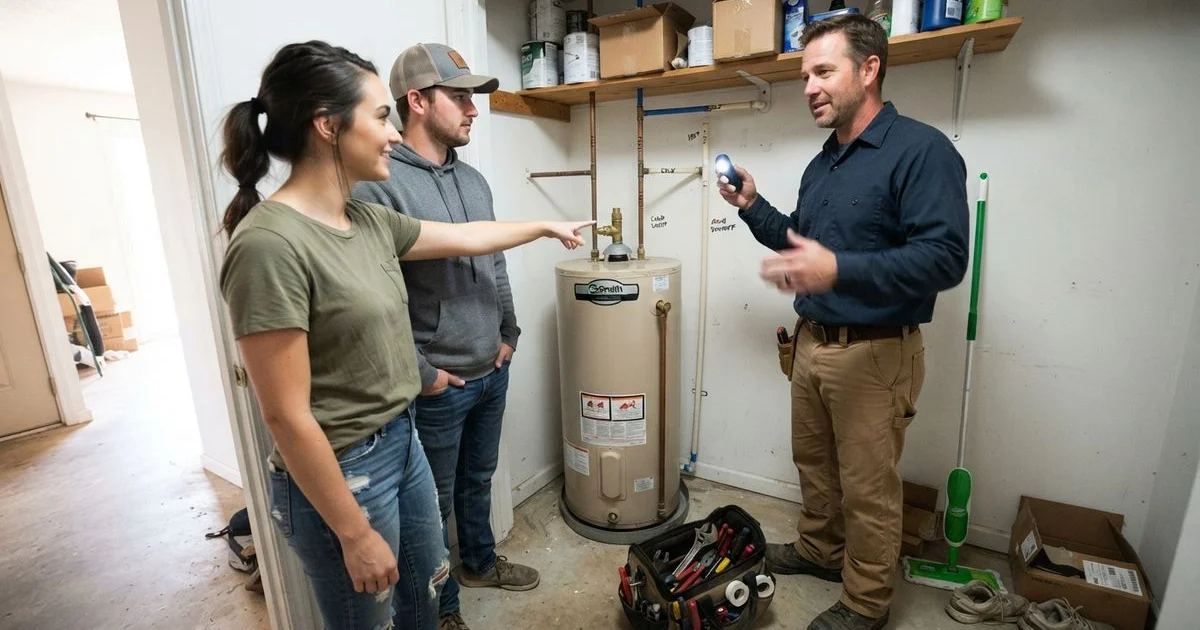
Owning a home means the plumbing is now entirely your responsibility, which can be a jarring shift if you have only ever called a landlord before. This covers the basics worth knowing early, without assuming any prior experience. If you are still renting rather than owning, the responsibilities split differently; see our guide to plumbing for renters instead.
Know your home before something breaks
Within your first week in a new home, locate:
- The main water shutoff valve, so you are not searching for it during an actual emergency.
- Individual shutoff valves under every sink and behind every toilet.
- The water heater’s shutoff and pressure relief valve.
- The gas shutoff, if your home uses gas appliances.
Testing that these valves actually turn, rather than assuming they work, is worth doing now rather than discovering a stuck valve mid-emergency.
What’s reasonable to DIY
| Task | DIY-friendly | Call a plumber |
|---|---|---|
| Plunging a clogged toilet or drain | Yes | If plunging doesn’t clear it |
| Replacing a faucet aerator or showerhead | Yes | — |
| Tightening a loose supply line fitting | Yes, if accessible and hand-tight | If it requires new parts or is leaking |
| Replacing a toilet flapper | Yes | — |
| Any work involving cutting pipe | No | Yes |
| Gas line work | No | Yes, licensed gas fitter |
| Water heater installation or major repair | No | Yes |
The general rule: if the fix involves a tool you already own and a part you can buy at a hardware store, it is usually safe to attempt. If it involves opening a wall, working with gas, or touching the main water line, it is a plumber’s job.
Signs of a problem worth watching for
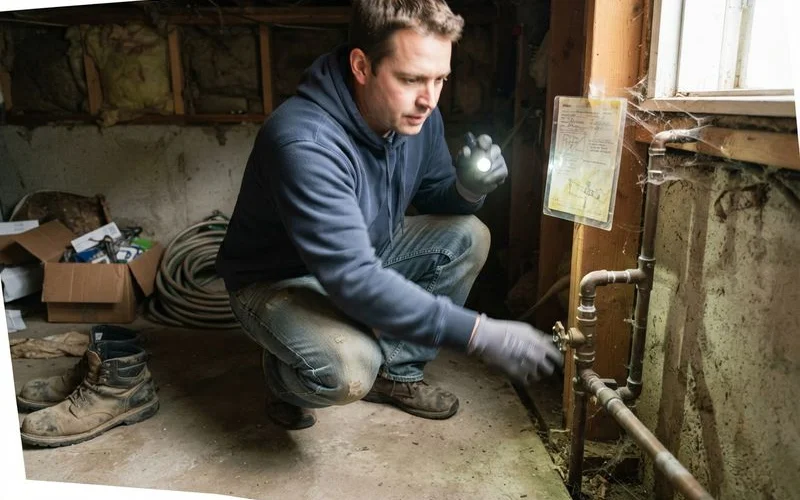
A slow drop in water pressure, a slightly higher water bill with no explanation, or a faint musty smell in one part of the house are all worth investigating before they become bigger. First-time homeowners sometimes assume small changes are normal wear, when they can actually be early signs of a leak or a developing clog.
Building a relationship with a plumber before you need one
Rather than searching under pressure during an emergency, it is worth finding a plumber you trust while things are calm. Read reviews, check licensing, and consider a routine inspection in your first year to catch anything the previous owner’s inspection may have missed. Our directory of Columbia plumbers and methodology can help you compare providers before you actually need one urgently.
Bottom line
Locate your home’s key shutoff valves early, know the difference between a task you can safely handle and one that needs a licensed plumber, and pay attention to small changes in pressure or your water bill. Building a relationship with a trusted plumber before an emergency makes every future call easier.
FAQ
- What plumbing tasks are safe for a beginner to try?
- Plunging a clogged toilet or drain, replacing a showerhead or faucet aerator, and tightening a loose fitting under a sink are reasonable for most first-time homeowners. Anything involving cutting pipe, gas lines, or work behind walls should go to a licensed plumber.
- Where should I find my main water shutoff valve as soon as I move in?
- Usually near where the water line enters the house, often a basement, crawlspace, utility closet, or garage. Locate and test it within your first week in the home, before you ever need it in an emergency.
- How do I know if a plumbing quote is fair as a first-time buyer?
- Get at least two quotes for anything beyond a minor repair, ask each plumber to explain what's driving the price, and check that they're licensed. A wide gap between quotes is worth asking about directly rather than just picking the cheaper number.